 English
 Русский
 Kazakh
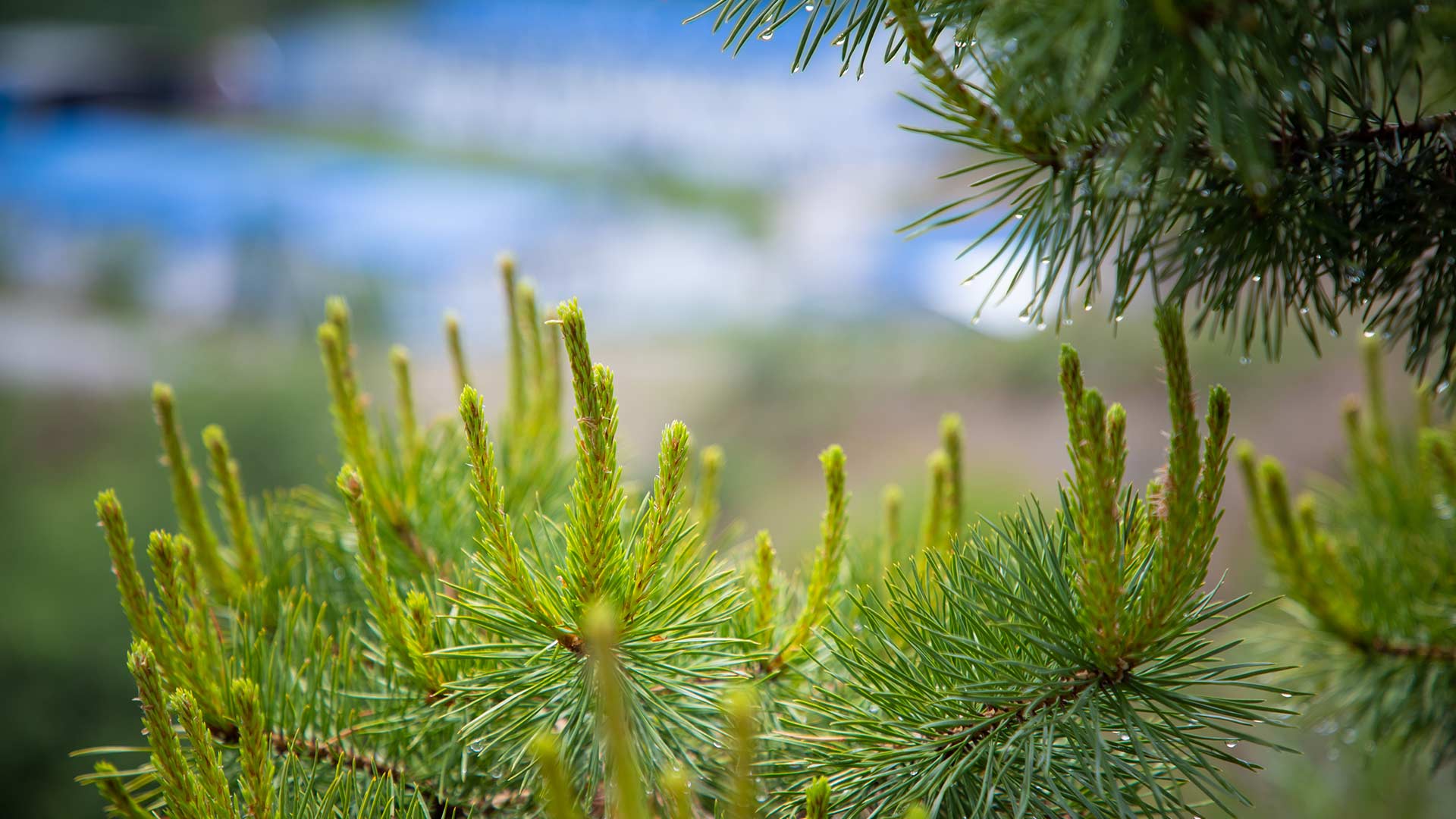
Plant survival study in dry steppe conditions
Kazakhstan is famous for its steppe, grassland plains where dry weather and high winds can present challenges to cultivating vegetation.
Overcoming these obstacles requires careful planning and adaptive strategies to ensure the long-term success of afforestation efforts.
As a result, the Bozshakol team has begun a plant survival study in the Pavlodar region of Kazakhstan to demonstrate how innovative, non-irrigated planting techniques can be used to enhance biodiversity and ecological resilience in the areas surrounding the Group’s assets.
Limited rainfall, high evaporation rates and nutrient deficient soil make plant survival difficult. Additionally, extreme temperature fluctuations and strong winds contribute to dehydration and physical damage to plants. Overcoming these obstacles requires careful planning and adaptive strategies to ensure the longterm success of afforestation efforts.
In alignment with the Group’s environmental protection commitments and to support biodiversity, the Environmental Protection Department at Bozshakol has launched a comprehensive three-year study to assess the survival of various tree and shrub species in the dry steppe zone of the Pavlodar region.
The study will run until 2026 and began with an in-depth analysis of the soil composition, geomorphology and the climate of the area before initiating afforestation efforts. These preliminary stages were essential for identifying the most suitable planting locations and best species for afforestation. To enhance plant survival, young seedlings were carefully selected based on their adaptability to local climatic conditions.
Beyond afforestation, the selected planting areas serve a dual purpose: acting as protective green barriers between the production site and the camp, while also contributing to greenhouse gas absorption as the Group seeks to reduce its environmental footprint while promoting biodiversity.
Looking ahead to 2026, Bozshakol plans to plant around 48,000 shrub and tree seedlings across ten hectares. The study’s results will support the success of future afforestation efforts by identifying the most resilient species.
KAZ Minerals firmly believes that responsible environmental management is a fundamental part of its sustainability strategy. By continuing to invest in innovative research projects such as this, as well as collaborating with local communities, the Group remains dedicated to fostering a greener and more resilient future.